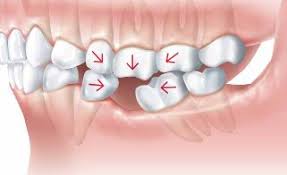
Dental implants are unlike any other restoration. Other prosthetics attach to neighboring teeth or the surface of your gums. While many people’s oral needs are served by dental bridges and dentures, the prosthetics never fully replace the feeling and function of natural teeth.
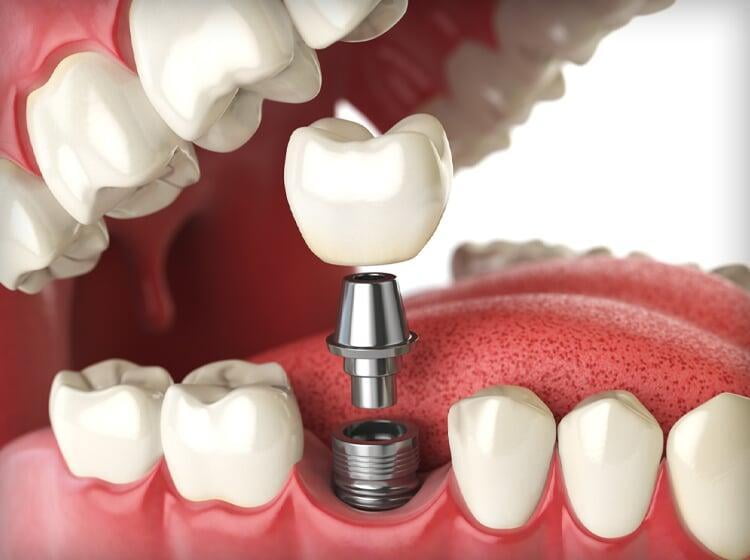
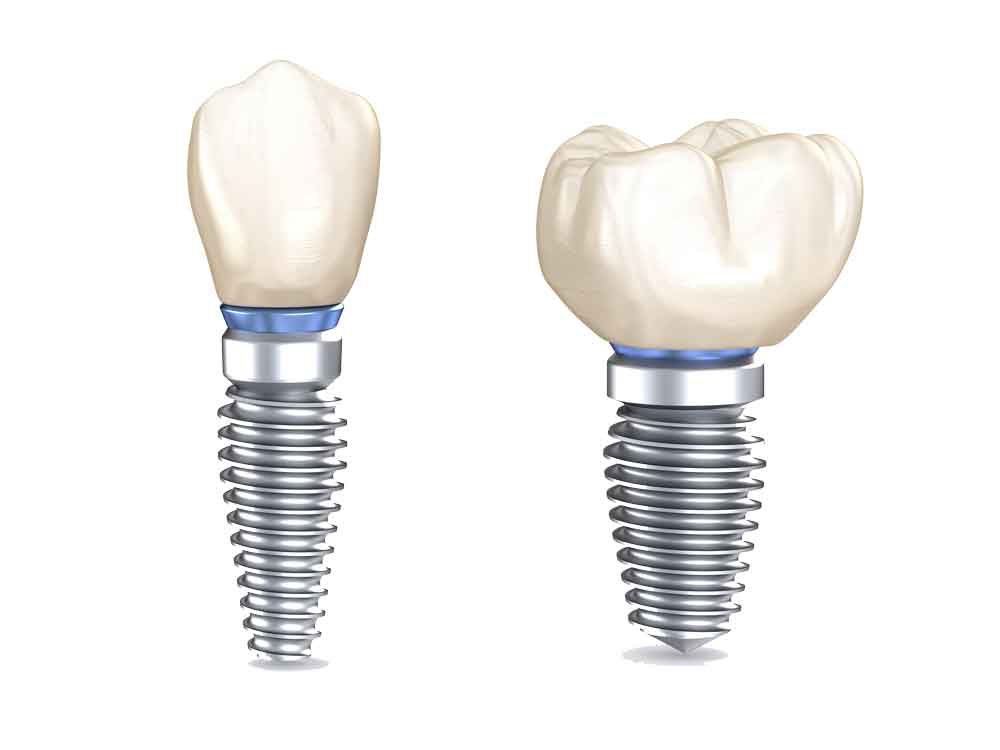
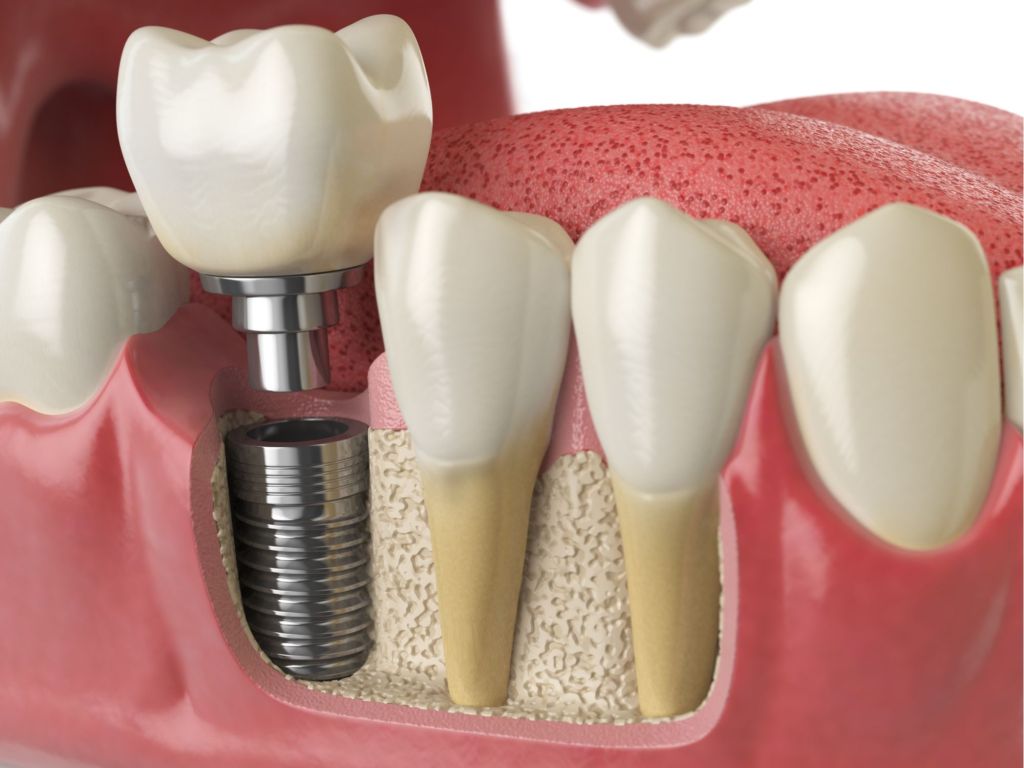
Only restoration that functions like a natural tooth are dental implants. The key to the stability of this tooth-replacement option is the titanium post that is placed in your jawbone near the location of your missing tooth root. The implant replaces the tooth root.
This restorative treatment gives many health benefits. Roots of tooth promote bone growth and help prevent jawbone atrophy. If you have one or more missing teeth and have not sought dental implants, you are in danger of losing precious jawbone density.
Over time, the loss of jawbone tissue can complicate your candidacy for receiving dental implants. If you recently lost a tooth or are about to undergo a tooth extraction, you should consider dental implant.
Dental implants are unlike any other restoration. Other prosthetics attach to neighboring teeth or the surface of your gums. While many people’s oral needs are served by dental bridges and dentures, the prosthetics never fully replace the feeling and function of natural teeth.
Only restoration that functions like a natural tooth are dental implants. The key to the stability of this tooth-replacement option is the titanium post that is placed in your jawbone near the location of your missing tooth root. The implant replaces the tooth root.
This restorative treatment gives many health benefits. Roots of tooth promote bone growth and help prevent jawbone atrophy. If you have one or more missing teeth and have not sought dental implants, you are in danger of losing precious jawbone density.
Over time, the loss of jawbone tissue can complicate your candidacy for receiving dental implants. If you recently lost a tooth or are about to undergo a tooth extraction, you should consider dental implant.
Treatment Overview
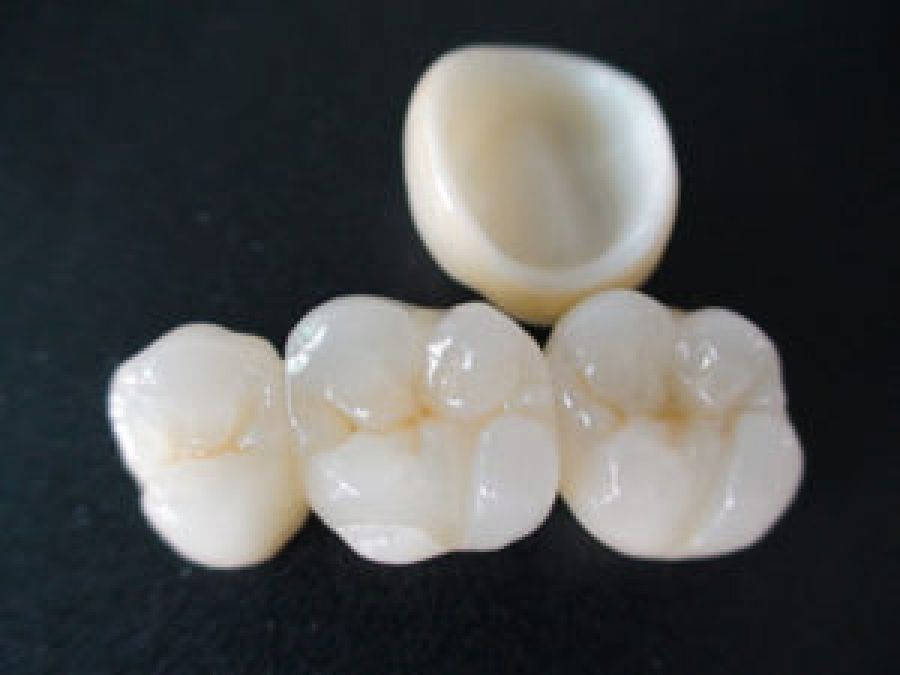
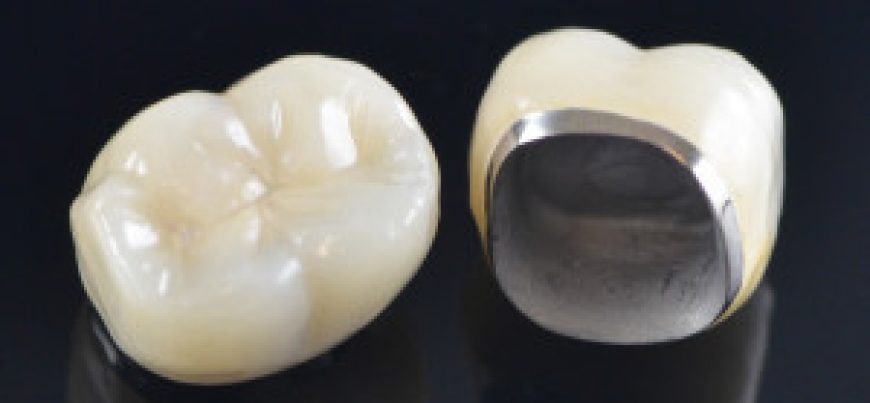
The dental implant treatment timeline can last anywhere from three to six months or longer, depending on your unique situation and how quickly your jawbone heals after implant placement. First, we will schedule oral surgery to place one or more dental implants. Then, you will require a few months to recover. During this time, the implant will fuse with the surrounding jawbone. After that duration of time your abutment has been placed, you can enjoy the placement of your custom dental crown.
The advent of computer-guided implant placement allows us to use advanced imaging and digital screens to clearly map out your jawbone before implant placement. The 3D cbct image gives a detailed representation of the availability of bone that can help us to decide where to place dental implants. The imaging process can then be combined to render a surgical guide that can then be fitted over the dental arch during the dental implant surgery. This step allows us to see exactly where the implants need to go.
Benefits of Dental Implants
The main benefit of dental implants is the restoration of natural oral functions, whether you are speaking or chewing. Many of our patients report that their dental implant feels just like their natural teeth. Once your new dental crown has been placed on your implant, you may forget that you even have a false tooth! Plus, you’ll have the peace of mind of knowing that your jawbone strength will be preserved due to the presence of the artificial root.
Schedule Your Dental Implant Consultation Today
Our patients are 100 percent satisfied with their new tooth, and you will be too. I.T.S Dental College is proud to offer computer-guided implant placement along with other advanced treatment options. To schedule your dental implant placement consultation, please contact our office online or call 7840001439, 7840001650.
This is the first post on my new blog. I’m just getting this new blog going, so stay tuned for more. Subscribe below to get notified when I post new updates.
This is an example post, originally published as part of Blogging University. Enroll in one of our ten programs, and start your blog right.
You’re going to publish a post today. Don’t worry about how your blog looks. Don’t worry if you haven’t given it a name yet, or you’re feeling overwhelmed. Just click the “New Post” button, and tell us why you’re here.
Why do this?
Because it gives new readers context. What are you about? Why should they read your blog?
Because it will help you focus you own ideas about your blog and what you’d like to do with it.
The post can be short or long, a personal intro to your life or a bloggy mission statement, a manifesto for the future or a simple outline of your the types of things you hope to publish.
To help you get started, here are a few questions:
Why are you blogging publicly, rather than keeping a personal journal?
What topics do you think you’ll write about?
Who would you love to connect with via your blog?
If you blog successfully throughout the next year, what would you hope to have accomplished?
You’re not locked into any of this; one of the wonderful things about blogs is how they constantly evolve as we learn, grow, and interact with one another — but it’s good to know where and why you started, and articulating your goals may just give you a few other post ideas.
Can’t think how to get started? Just write the first thing that pops into your head. Anne Lamott, author of a book on writing we love, says that you need to give yourself permission to write a “crappy first draft”. Anne makes a great point — just start writing, and worry about editing it later.
When you’re ready to publish, give your post three to five tags that describe your blog’s focus — writing, photography, fiction, parenting, food, cars, movies, sports, whatever. These tags will help others who care about your topics find you in the Reader. Make sure one of the tags is “zerotohero,” so other new bloggers can find you, too.

 ITS Dental College Greater Noida